

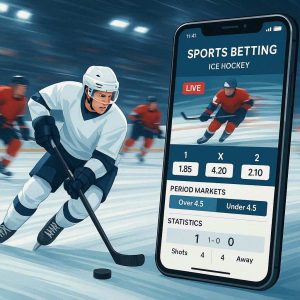
 Hockey is not just fast. It is layered. A game can look quiet on the scoreboard while being intense on the ice. This contrast makes hockey betting different from many other sports. Bettors must learn to read what is happening beyond goals.
Unlike sports with constant scoring, hockey builds pressure slowly. Shots, possession, and defensive breakdowns accumulate before a goal appears. Sports wagering in hockey rewards those who recognize these patterns early.
This sport requires patience, observation, and restraint. Success often comes from understanding rhythm, not reacting to headlines.
Tempo as the Core of Hockey Betting
Tempo defines hockey. Teams shift momentum rapidly through line changes, forechecks, and power plays. A team may dominate for minutes without scoring. Then one mistake changes everything.
Sports wagering becomes more strategic when bettors follow tempo instead of results. A team trailing on the scoreboard may still control the game. Recognizing this helps avoid misleading assumptions.
Tempo betting focuses on pressure, not panic. It requires watching how teams skate, defend, and transition rather than only tracking goals.
Stamina and Line Management
Hockey players rotate frequently. Line usage reveals strategy and fatigue. Coaches shorten benches during tight games. This impacts outcomes.
A tired defensive line is more likely to concede late goals. Back-to-back games increase fatigue risk. Travel schedules matter more than many bettors realize.
Smart wagering considers stamina cycles. Teams with fresh legs often dominate late periods. This insight supports better timing and selection.
Period-Based Betting and Game Segmentation
Hockey is divided into periods, not halves. This structure creates natural betting segments. Each period has its own pace and strategy.
First periods often involve cautious play. Teams test each other. Second periods usually open up due to longer bench distances. Third periods depend heavily on scoreline and urgency.
Segmenting wagers by period reduces exposure. It allows bettors to adapt strategies as the game evolves rather than committing early.
Power Plays, Penalties, and Situational Advantage
Special teams play a huge role in hockey. Power plays shift momentum quickly. A single penalty can change the entire game.
Successful bettors track discipline trends. Teams that commit frequent penalties create risk for themselves. Penalty killing efficiency becomes a key factor.
Situational wagering focuses on these moments. Betting during power plays requires fast thinking but clear judgment. Emotional reactions lead to mistakes.
Goaltending as a Betting Variable
Goaltenders influence hockey outcomes more than any single player. A strong goalie can neutralize a dominant offense. A struggling goalie can collapse under pressure.
Starting goalie announcements matter. Backup goalies often start during compressed schedules. Bettors who track these changes gain an edge.
Goaltending performance also affects totals. A hot goalie reduces scoring potential. Recognizing form trends improves accuracy.
Live Wagering and Real-Time Decision Control
Hockey’s constant movement makes live wagering popular. Odds shift after goals, penalties, and momentum swings. This creates opportunity and risk.
Live wagering works best with a plan. Entering without clear rules leads to emotional bets. Controlled timing improves outcomes.
Watching the game matters more than statistics alone. Visual cues reveal pressure, fatigue, and confidence levels that numbers may not show.
Data That Matters in Hockey Betting
Not all statistics carry equal weight in hockey. Shot volume matters, but shot quality matters more. Zone time indicates pressure. Faceoff wins influence possession.
Recent performance trends matter more than long-term averages. Hockey seasons are long, and momentum changes quickly.
Effective wagering focuses on a few reliable indicators rather than overwhelming data sets.
Managing Risk in a Low-Scoring Sport
Hockey’s low-scoring nature increases volatility. One goal can swing outcomes dramatically. This makes bankroll management essential.
Smaller wager sizes reduce exposure. Spreading risk across multiple games requires discipline.
Avoiding emotional bets after sudden goals protects long-term results. Control is more important than prediction accuracy.
Business Side of Hockey Wagering
From a platform perspective, hockey wagering attracts dedicated fans. Engagement peaks during playoffs and rivalry games.
Platforms must ensure fast odds updates and reliable data feeds. Delays damage trust quickly in such a fast sport.
Supporting hockey markets shows commitment to serious sports bettors. This builds loyalty among informed users.
Common Mistakes in Hockey Sports Wagering
One common mistake is overreacting to early goals. Hockey games often swing back. Another mistake is ignoring fatigue factors.
Chasing losses late in games increases risk. Accepting variance is part of hockey wagering.
Discipline separates sustainable betting from impulse behavior.
The Mental Side of Hockey Betting
Hockey tests emotional control. Momentum shifts create tension. Bettors must remain detached.
Treating each game independently prevents carryover bias. Past results should not dictate future decisions.
Mental clarity improves long-term performance.