


How Hockey Betting Rewards Control Under Pressure

Hockey betting sits at the edge of strategy and adrenaline. Few sports combine speed, physical contact, and sudden shifts as intensely as hockey. A goal can arrive without warning. Momentum can swing in seconds. This environment creates emotional pressure for bettors.

Adrenaline fuels excitement, but strategy determines outcomes. Hockey betting rewards those who stay calm while the game accelerates. Understanding how strategy meets adrenaline and how to manage pressure becomes just as important as understanding the sport itself.

In hockey betting, control is the real advantage.

The Adrenaline Factor in Fast-Moving Games

Hockey generates constant stimulation. Rapid transitions, body checks, and near-misses keep viewers alert. This sensory intensity influences betting behavior.

Adrenaline pushes bettors toward quick reactions. A sudden goal may trigger immediate follow-up bets. A missed chance may create frustration. Without control, these reactions lead to impulsive decisions.

Strategic bettors recognize adrenaline as a signal, not a command. They pause, observe, and reassess rather than react instantly.

Strategy as a Counterbalance to Speed

Strategy slows the game mentally. It allows bettors to step back and analyze structure. While the puck moves quickly, patterns still exist.

Teams reveal intent through positioning and line usage. Defensive tightening after a goal. Aggressive forechecking when trailing. These strategic signals persist even during chaos.

Successful hockey betting comes from identifying these signals and filtering out noise created by speed and emotion.

Understanding Pressure Situations

Pressure moments define hockey games. Late periods, close scores, and special teams situations increase intensity. These moments often tempt bettors to act without preparation.

Pressure magnifies mistakes. Teams may lose discipline. Players take risks. Coaches shorten benches. These changes alter probabilities.

Strategic bettors anticipate pressure moments rather than chase them. They recognize when pressure is building and prepare decisions in advance.

Managing Emotional Swings During a Match

Hockey creates emotional highs and lows. A team dominating play may still trail. A weak shot may become a goal. These moments challenge emotional stability.

Emotional swings often lead to overcorrection. Bettors may abandon strategy after one event. This creates inconsistency.

Maintaining emotional balance improves decision quality. Viewing each moment as part of a longer narrative helps preserve discipline.

Discipline in High-Adrenaline Environments

Discipline separates entertainment from strategy. In hockey betting, discipline means resisting the urge to bet every moment.

Setting predefined decision rules helps. These rules act as anchors during intense moments. They reduce emotional drift.

Discipline does not remove excitement. It channels it into controlled engagement.

Reading Team Behavior Under Stress

Teams behave differently under stress. Some remain structured. Others unravel. Recognizing these patterns provides insight.

A composed team may absorb pressure without conceding. A fragile team may collapse after one mistake. These tendencies repeat over seasons.

Strategic hockey betting involves recognizing how teams respond to stress rather than reacting to the stress itself.

Physicality and Fatigue

Hockey’s physical nature adds another layer. Body contact accumulates. Fatigue increases mistakes late in games.

Physical dominance may not show on the scoreboard immediately. It reveals itself through slowed reactions and missed assignments.

Bettors who notice physical imbalance gain an edge. This insight is often missed by those focused only on goals.

Avoiding Adrenaline-Driven Mistakes

One common mistake is chasing momentum. Another is betting emotionally after a goal against expectations.

Adrenaline narrows focus. It reduces analytical capacity. Recognizing this effect helps bettors pause.

The best decision is sometimes no decision. Skipping a moment preserves long-term control.

Strategic Timing Over Constant Action

Hockey betting does not reward constant activity. It rewards timing.

Strategic timing means waiting for confirmation. It means recognizing when the game state truly changes rather than reacting to surface events.

Less frequent, well-timed decisions outperform frequent impulsive ones.

Business Perspective on High-Intensity Betting Sports

From a platform standpoint, hockey represents a high-engagement sport. Users stay active throughout games.

This intensity requires reliable systems. Any delay increases frustration. Clear interfaces support calm decision-making.

Platforms that support clarity help users manage adrenaline more effectively.

Training the Betting Mindset

Adrenaline management improves with practice. Awareness builds control.

Treating betting decisions as exercises in discipline strengthens consistency. Reviewing decisions rather than outcomes improves learning.

The mindset matters more than individual results.
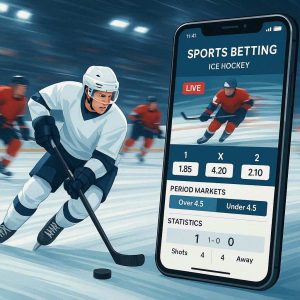
Why Hockey Demands a Different Wagering Mindset

Hockey is not just fast. It is layered. A game can look quiet on the scoreboard while being intense on the ice. This contrast makes hockey betting different from many other sports. Bettors must learn to read what is happening beyond goals.
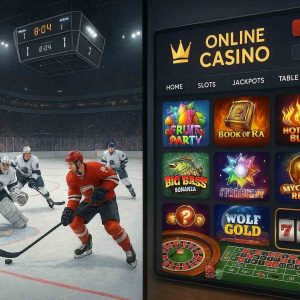
Unlike sports with constant scoring, hockey builds pressure slowly. Shots, possession, and defensive breakdowns accumulate before a goal appears. Sports wagering in hockey rewards those who recognize these patterns early.

This sport requires patience, observation, and restraint. Success often comes from understanding rhythm, not reacting to headlines.

Tempo as the Core of Hockey Betting

Tempo defines hockey. Teams shift momentum rapidly through line changes, forechecks, and power plays. A team may dominate for minutes without scoring. Then one mistake changes everything.

Sports wagering becomes more strategic when bettors follow tempo instead of results. A team trailing on the scoreboard may still control the game. Recognizing this helps avoid misleading assumptions.

Tempo betting focuses on pressure, not panic. It requires watching how teams skate, defend, and transition rather than only tracking goals.

Stamina and Line Management

Hockey players rotate frequently. Line usage reveals strategy and fatigue. Coaches shorten benches during tight games. This impacts outcomes.

A tired defensive line is more likely to concede late goals. Back-to-back games increase fatigue risk. Travel schedules matter more than many bettors realize.

Smart wagering considers stamina cycles. Teams with fresh legs often dominate late periods. This insight supports better timing and selection.

Period-Based Betting and Game Segmentation

Hockey is divided into periods, not halves. This structure creates natural betting segments. Each period has its own pace and strategy.

First periods often involve cautious play. Teams test each other. Second periods usually open up due to longer bench distances. Third periods depend heavily on scoreline and urgency.

Segmenting wagers by period reduces exposure. It allows bettors to adapt strategies as the game evolves rather than committing early.

Power Plays, Penalties, and Situational Advantage

Special teams play a huge role in hockey. Power plays shift momentum quickly. A single penalty can change the entire game.

Successful bettors track discipline trends. Teams that commit frequent penalties create risk for themselves. Penalty killing efficiency becomes a key factor.

Situational wagering focuses on these moments. Betting during power plays requires fast thinking but clear judgment. Emotional reactions lead to mistakes.

Goaltending as a Betting Variable

Goaltenders influence hockey outcomes more than any single player. A strong goalie can neutralize a dominant offense. A struggling goalie can collapse under pressure.

Starting goalie announcements matter. Backup goalies often start during compressed schedules. Bettors who track these changes gain an edge.

Goaltending performance also affects totals. A hot goalie reduces scoring potential. Recognizing form trends improves accuracy.

Live Wagering and Real-Time Decision Control

Hockey’s constant movement makes live wagering popular. Odds shift after goals, penalties, and momentum swings. This creates opportunity and risk.

Live wagering works best with a plan. Entering without clear rules leads to emotional bets. Controlled timing improves outcomes.

Watching the game matters more than statistics alone. Visual cues reveal pressure, fatigue, and confidence levels that numbers may not show.

Data That Matters in Hockey Betting

Not all statistics carry equal weight in hockey. Shot volume matters, but shot quality matters more. Zone time indicates pressure. Faceoff wins influence possession.

Recent performance trends matter more than long-term averages. Hockey seasons are long, and momentum changes quickly.

Effective wagering focuses on a few reliable indicators rather than overwhelming data sets.

Managing Risk in a Low-Scoring Sport

Hockey’s low-scoring nature increases volatility. One goal can swing outcomes dramatically. This makes bankroll management essential.

Smaller wager sizes reduce exposure. Spreading risk across multiple games requires discipline.

Avoiding emotional bets after sudden goals protects long-term results. Control is more important than prediction accuracy.

Business Side of Hockey Wagering

From a platform perspective, hockey wagering attracts dedicated fans. Engagement peaks during playoffs and rivalry games.

Platforms must ensure fast odds updates and reliable data feeds. Delays damage trust quickly in such a fast sport.

Supporting hockey markets shows commitment to serious sports bettors. This builds loyalty among informed users.

Common Mistakes in Hockey Sports Wagering

One common mistake is overreacting to early goals. Hockey games often swing back. Another mistake is ignoring fatigue factors.

Chasing losses late in games increases risk. Accepting variance is part of hockey wagering.

Discipline separates sustainable betting from impulse behavior.

The Mental Side of Hockey Betting

Hockey tests emotional control. Momentum shifts create tension. Bettors must remain detached.

Treating each game independently prevents carryover bias. Past results should not dictate future decisions.

Mental clarity improves long-term performance.

Beginners’ Guide for Hockey Betting and Casino Games

Hockey betting and casino games have become popular forms of online entertainment. Many people enjoy hockey for its speed, teamwork, and clear scoring rules. Casino games attract players because they are easy to access and offer many options in one place. When these two worlds come together, users get a full gaming experience under one platform. This article explains hockey betting and casino games in simple terms. It is written for readers who want to understand how both work without technical language.

Online platforms now offer a growing library of betting markets and casino games library. These libraries allow users to switch between sports betting and casino play with ease. Knowing how each option works helps players make informed choices. It also helps them enjoy the experience responsibly.

Understanding Hockey Betting Basics

Hockey betting focuses mainly on ice hockey, including leagues like the NHL and international tournaments. The most common type of bet is the moneyline bet. This means you choose which team you think will win the game. There is no need to worry about point differences in this type of bet.

Another common option is the puck line. This works like a point spread. One team is given a goal advantage or disadvantage. This type of bet usually offers higher payouts. Over and under bets are also popular. These bets focus on the total number of goals scored by both teams combined.

Some platforms offer live hockey betting. This allows users to place bets while the game is ongoing. Odds change based on what is happening in real time. This option is exciting but requires quick decisions. Many beginners start with pre-game bets before trying live betting.

How Odds Work in Hockey Betting

Odds show how likely an outcome is and how much you can win. Most platforms use decimal odds because they are easy to understand. For example, odds of 2.00 mean you double your stake if you win. Odds lower than 2.00 suggest a higher chance of winning. Odds higher than 2.00 suggest more risk but a higher payout.

Hockey odds are influenced by team performance, injuries, and past results. Home advantage can also affect odds. Strong teams usually have lower odds because they are expected to win more often. Understanding odds helps players manage risk and plan their bets better.

It is always a good idea to check several matches before placing a bet. This builds familiarity with how odds move. Over time, patterns become easier to spot.

Exploring a Casino Games Library

A casino games library is a collection of different games offered on one platform. These usually include slots, table games, and live dealer games. Slots are the most popular because they are simple to play. Players only need to spin and wait for results. Many slots come with themes, bonuses, and free spins.

Table games include classics like blackjack, roulette, and baccarat. These games involve more strategy than slots. Blackjack requires basic decision-making. Roulette focuses on predicting where the ball will land. Baccarat is based on comparing card values. These games are easy to learn but take time to master.

Live casino games stream real dealers in real time. Players interact through chat and place bets digitally. This option feels closer to playing in a physical casino. Many players enjoy live games for their realism and pace.

Why Platforms Combine Hockey Betting and Casino Games

Many platforms combine hockey betting and casino games in one library. This gives users more variety and flexibility. Players can place a hockey bet and then play casino games while waiting for the match to start. This keeps engagement high without switching platforms.

Bonuses are another reason for this combination. Some platforms offer shared bonuses that apply to both sports betting and casino games. This means players can use one wallet for all activities. Loyalty programs also reward users for playing across different sections.

This setup is convenient for casual users. It allows them to explore different types of games without extra steps. For experienced players, it creates more options for entertainment and balance.

Responsible Play and Smart Choices

Both hockey betting and casino games should be treated as entertainment. It is important to set limits on time and money. Many platforms offer tools that help users control spending. These include deposit limits, time reminders, and self-exclusion options.

Understanding the rules of each game reduces frustration. Reading simple guides or demo playing helps before using real money. It is also important to avoid chasing losses. Taking breaks helps maintain a healthy approach to gaming.

Responsible play ensures long-term enjoyment. It also helps users stay in control and avoid unnecessary stress.